From a tea leaf
to your next product.
Since 1991, Ritai has been learning about tea and making it well. Today, over thirty years of experience supports your project, from raw materials and flavor to a finished product carrying your brand.
Follow the journey of a tea leaf ↓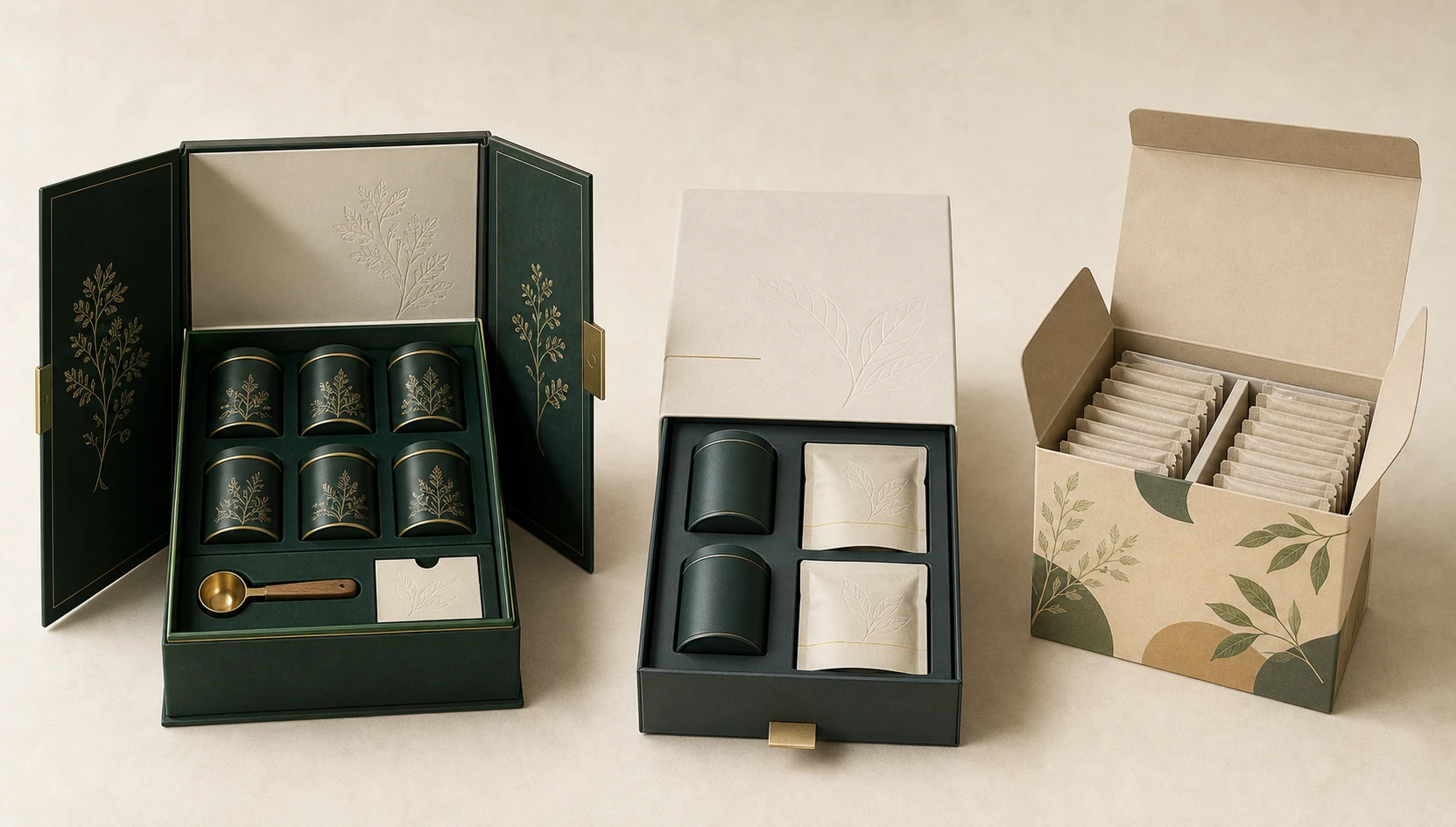
Factory establishedOver thirty years of tea expertise
Exports beginSupporting international partnerships
Production · Sensory assessment · TestingDeveloped together around your product
Rooted in tea gardens. Developed for your brand.
Select a stage to see how tea develops into
a product suited to your market, channels and customers.
A milk-tea base and a retail tea for everyday brewing call for different selection criteria. We start with how your product will be used, then define its flavor, specifications and packaging with you.
Plan your tea's next step ↗Sensory expertise for flavor,
analytical support for key parameters.
Turn “Is this tea suitable?”
into clear criteria for sample selection.
From processing to analysis,
give every round of development a clearer basis.
Over thirty years of tea-making experience inform ingredient selection, processing discussions, sensory comparisons and basic testing.
Develop the flavor, then define the specifications.
Primary processing establishes the flavor of each tea type. Refining may involve screening, sorting, roasting and blending to develop appearance, cleanliness and flavor. Processing arrangements vary by tea type.
What does this mean for your product?
Define brewing, milk or fruit applications first, then choose relevant samples and specifications. This gives each refinement a clear direction.
Describe flavor with greater precision.
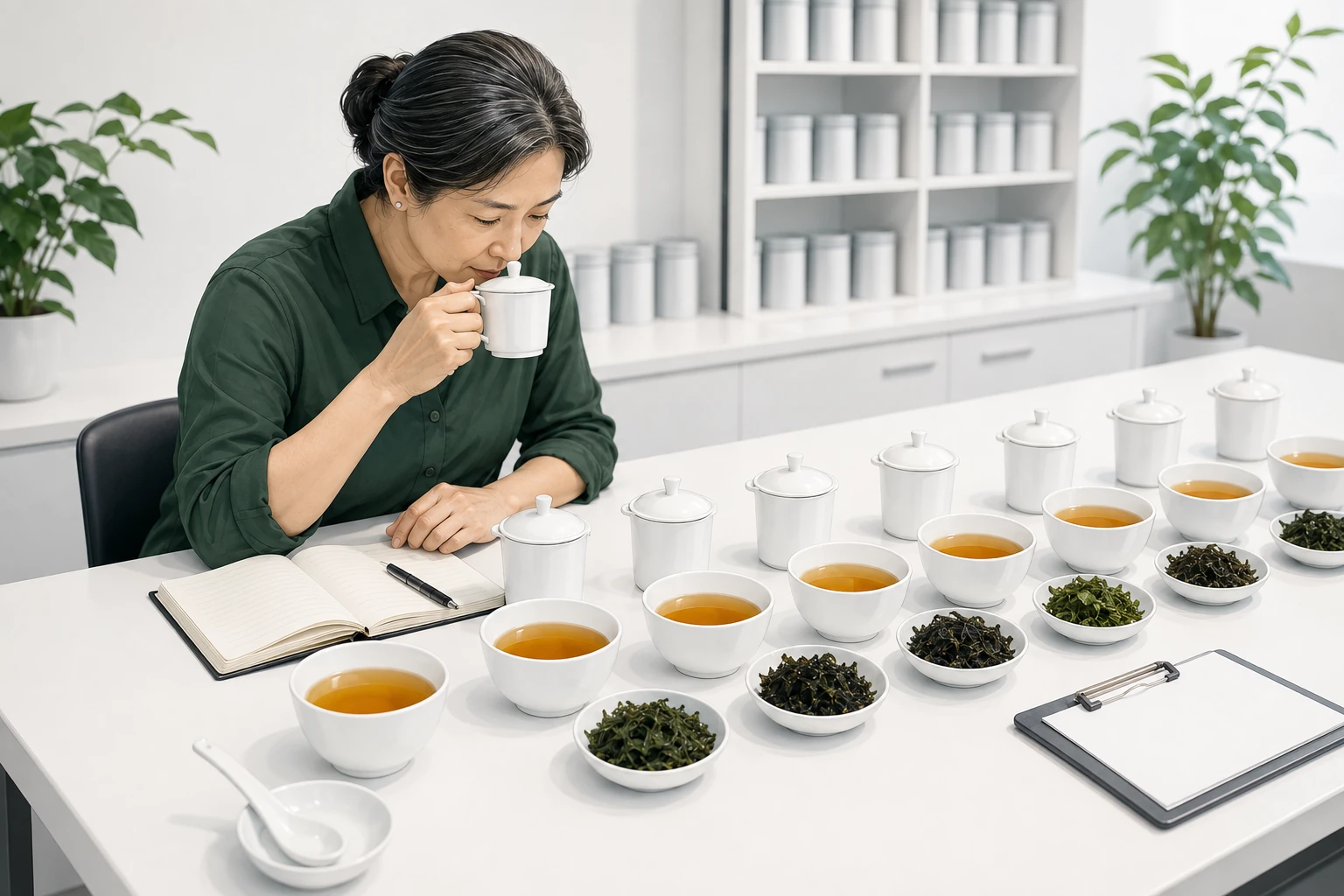
The tasting room compares dry leaf, liquor, aroma, taste and infused leaf. Organize sample feedback around brewing conditions, aroma, tea character, bitterness and astringency.
How do we refine the next samples?
Record both the qualities you approve and those needing adjustment. Beverage projects should also be tested in the actual formulation to connect sample evaluation with the final drink.
Support flavor judgments with objective parameters.
Basic analytical parameters and sensory findings support quality assessment and specification confirmation.
How do we define testing needs?
Discuss parameters and reporting requirements for your product category and market.
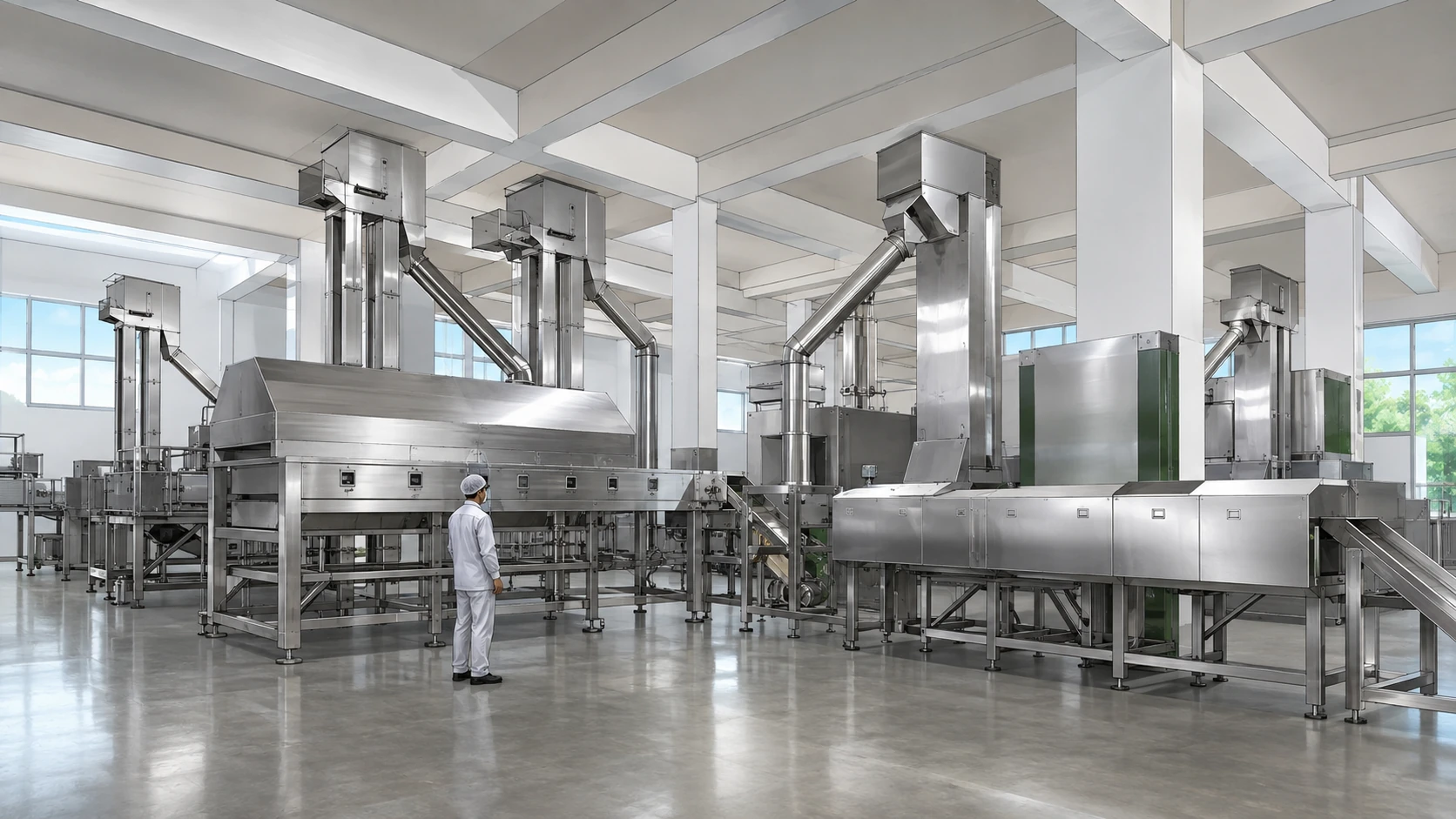
Ritai uses off-floor tea-processing equipment to reduce contact between tea and the floor at the relevant stages. This page presents capabilities and uses; detailed equipment configurations, layouts and process settings are not published.
Tell us your application and target indicators ↗Rooted in our own tea gardens,
Connected across China's tea-growing regions.
From tea gardens to production bases, Ritai combines sourcing across tea-growing regions with tea-making experience, offering broader ingredient choices for different tea types, flavors and applications.
Tea gardens under coordinated management across China
Through cooperation with bases and participation in their management across China, we connect regional tea resources to support tea selection, flavor development and coordinated sourcing.
Company-owned organic tea gardens
Our own organic tea gardens provide a foundation of experience in growing environments, cultivation management and fresh-leaf quality that informs ingredient selection and product development.
RITAI TEA
Tea gardens & production network
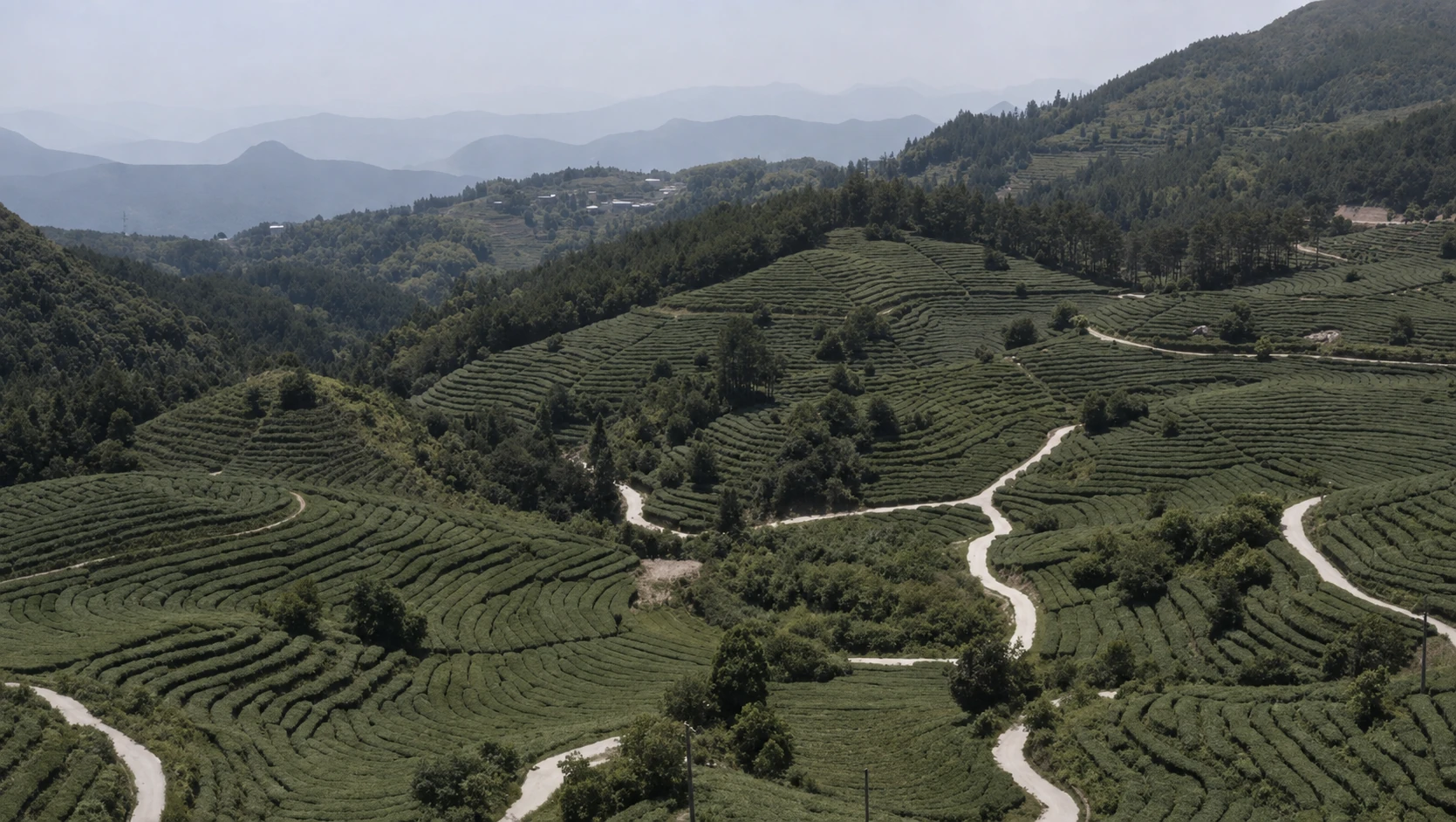
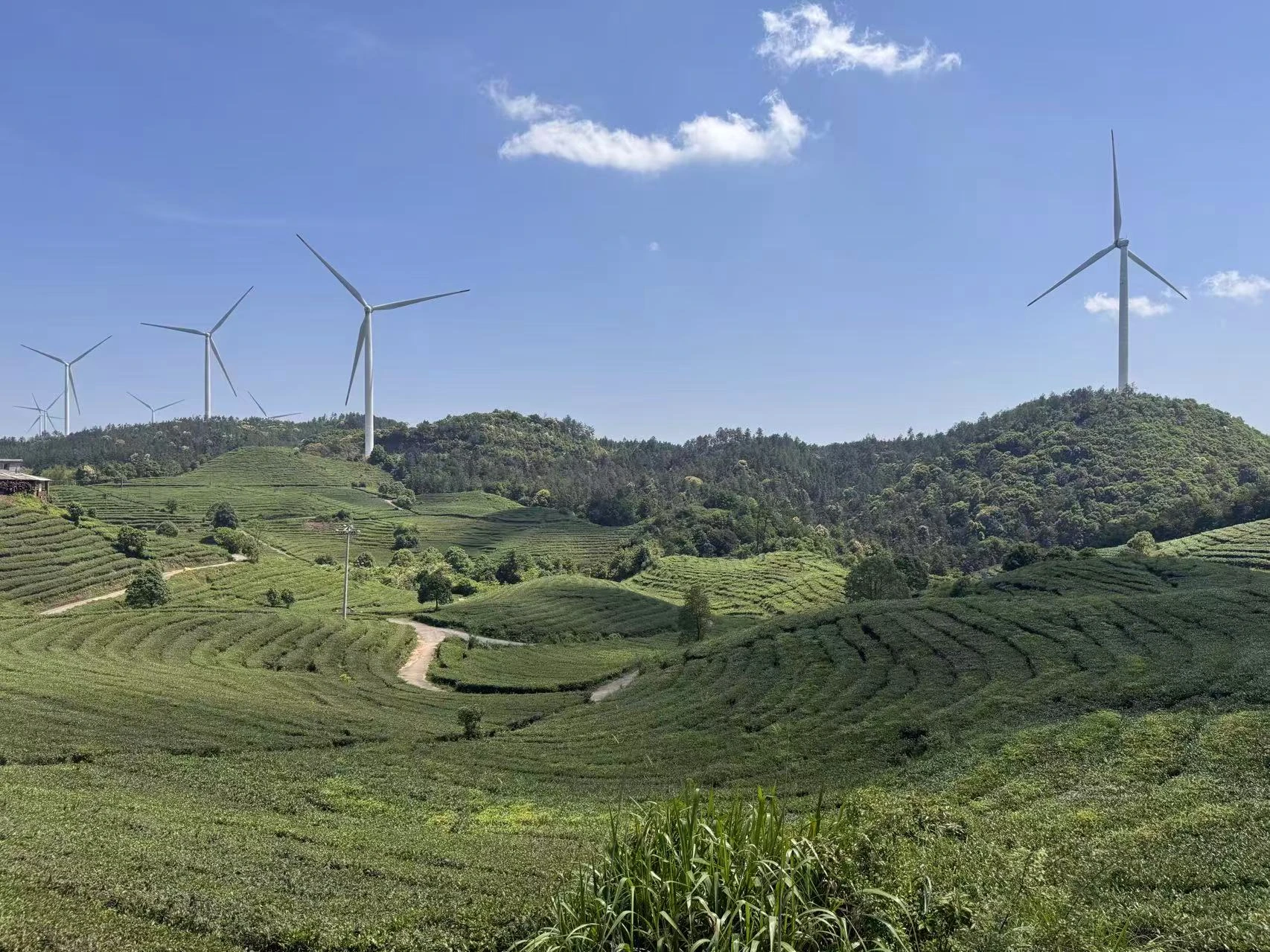
Want to know a tea’s origin? Tell us the tea of interest and we can discuss its gardens, growing sites and raw materials.
Awards & credentials
Company, brand and base-development milestones, presented with their corresponding years.
View fifteen recognitions and qualifications ↗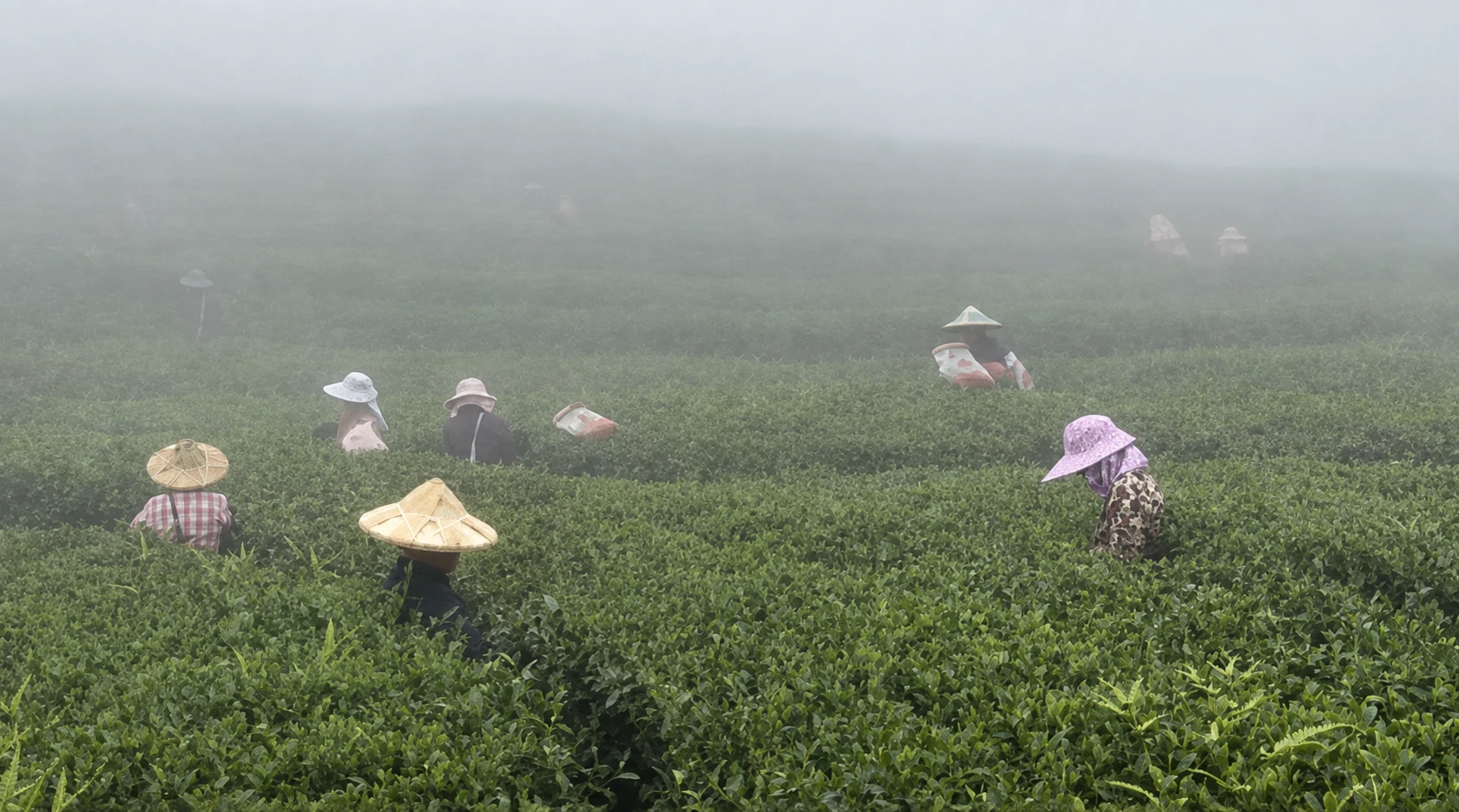
The future of tea gardens
is also in the lives of growers.
We work with nearby growers over the long term, share tea knowledge and help older residents earn income through tea work. For Ritai, making tea well includes growing with the people of this land.
Turn production experience into product possibilities.
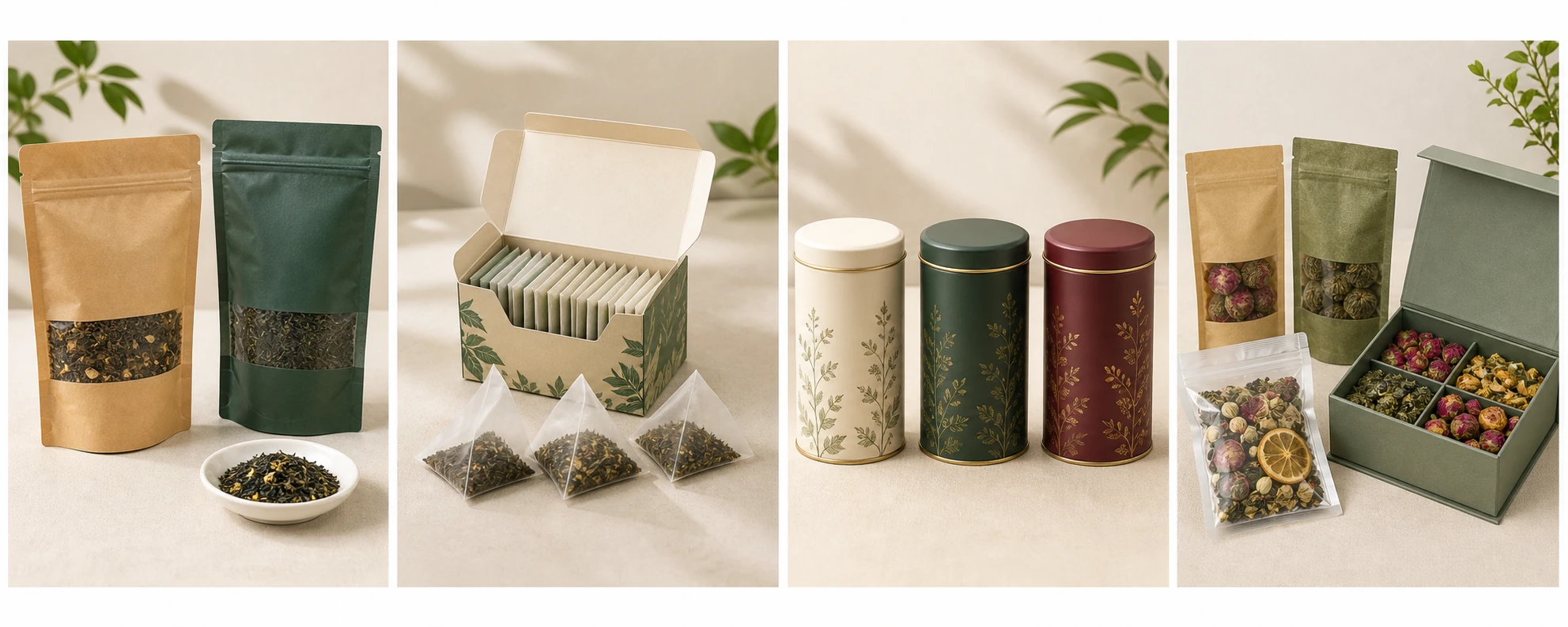
Packaging concepts: develop the tea, fill weight and packaging format together. Your brand leads; Ritai supports tea selection and production development.
Bring your market needs
and talk to the people who know and make tea.
Define the application and evaluation criteria, then develop tea and packaging together.
Start your custom project ↗